
Service 07 / 10
Repairs
Troubleshooting & Repairs
Find the cause behind failed outlets, nuisance trips, flickering lights, and unreliable circuits.
Typical scope
Where the work lands.
- Breaker and outlet failures
Dead circuits traced back to the failed device, damaged conductor, or loose termination that actually caused them.
- GFCI and nuisance-trip diagnosis
Ground faults, shared neutrals, moisture intrusion, and failing equipment isolated with meters rather than replaced on a hunch.
- Flickering and failed lighting
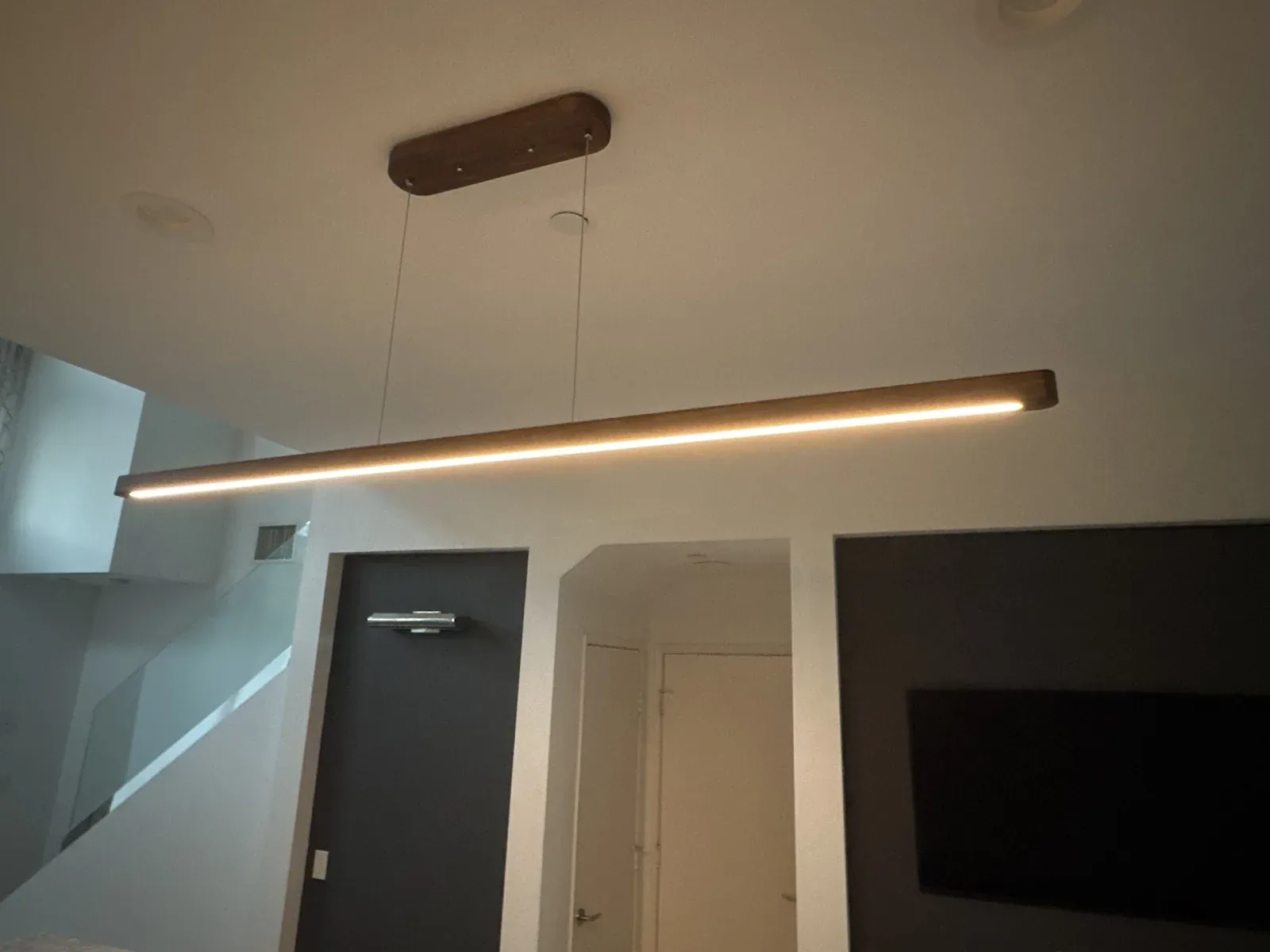
Dimmer and LED incompatibility, loose neutrals, and voltage-drop problems identified before fixtures get swapped out.
- Damaged or overheated connections
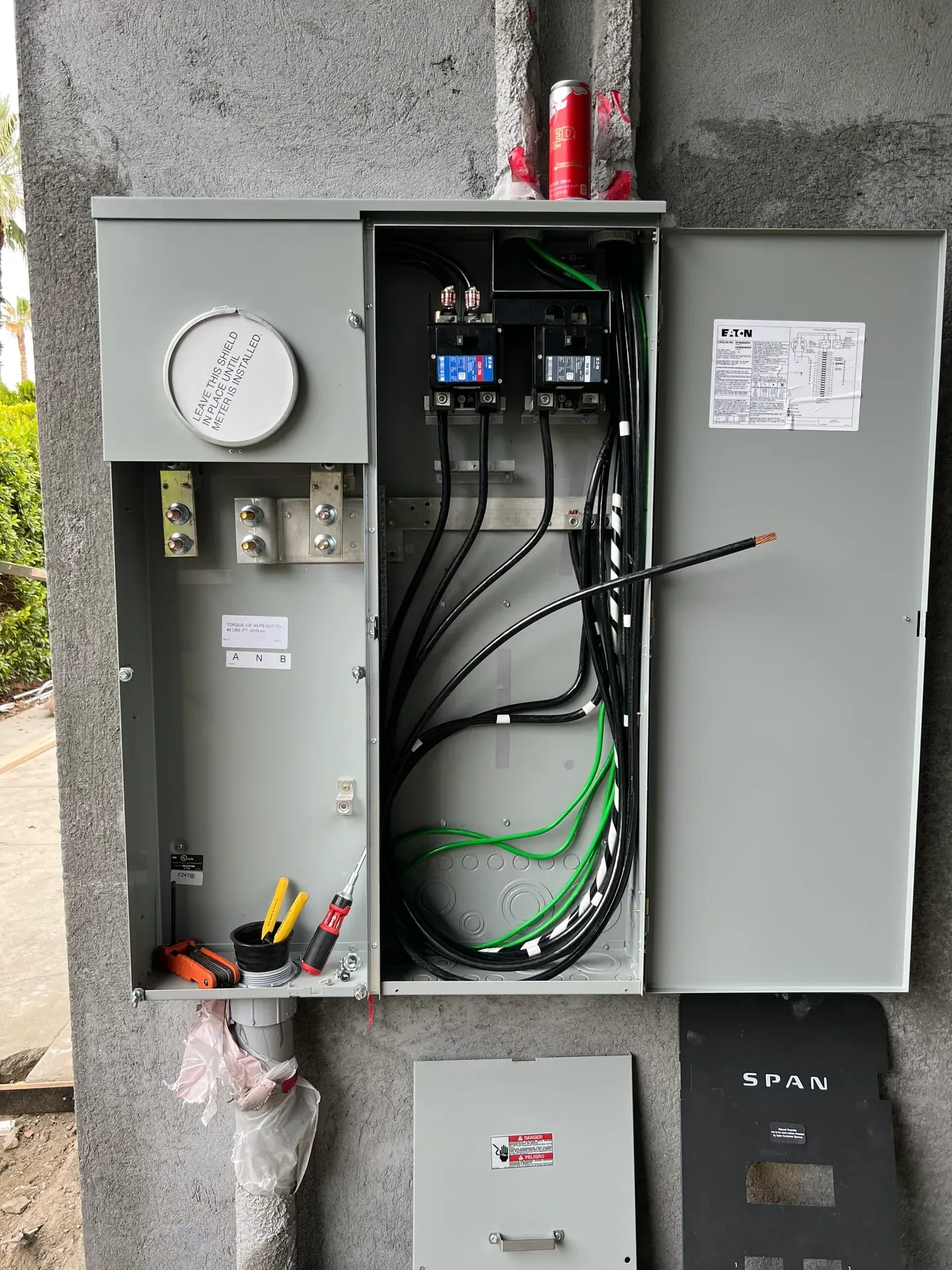
Scorched receptacles, melted insulation, backstabbed devices, and aluminum branch terminations repaired properly.
- Rental-turnover repair lists
Punch lists worked through in one visit so a unit can be re-let without a second trip charge.
- Clear repair options before work begins
Once the cause is known, you get the fix, the alternatives, and the price before anything is replaced.
Find the cause, not the symptom.
A breaker that trips is doing its job. The question is what it is protecting you from. We take the history, split the circuit, and meter it until the fault is proven instead of guessed. Then you get the cause in plain language, the repair options, and a price for each before anything gets replaced.
When to call
Symptoms worth diagnosing, not ignoring.
A breaker trips repeatedly and resetting it has become routine.
Outlets or switch plates feel warm, or you smell something hot.
Lights dim or flicker when large appliances start.
Half a room lost power and nobody can find the cause.
How the work runs
Four steps, every time.
The scope changes from job to job. The sequence does not, so you always know what happens next and what it depends on.
- Take the history
What changed, when it started, and what has already been replaced narrows the search before any cover comes off.
- Isolate the fault
Circuits are split and tested with meters until the failure is proven, not assumed.
- Present the options
You hear the cause in plain language, along with the repair, any alternatives, and the cost of each.
- Repair and verify
The correction is made and the circuit is loaded and re-tested to confirm the symptom is actually gone.
Repairs answers
Questions about troubleshooting & repairs.
What causes a breaker to keep tripping?
Possible causes include an overloaded circuit, a failing breaker, damaged wiring, a loose connection, a faulty device, or equipment trouble. Testing is needed to identify the actual cause.
Can you diagnose flickering lights or dead outlets?
Yes. V12 Electric traces the affected circuit and checks devices, connections, protection, loads, and upstream equipment before recommending a repair.
Is replacing a breaker always the solution?
No. A tripping breaker may be responding to a problem elsewhere. The circuit and connected loads should be diagnosed before parts are replaced.
How is troubleshooting billed?
Diagnosis is billed for the time it takes to find the cause. Once the problem is identified, you get the repair price before any work is authorized.
Can the problem be found without opening walls?
Usually. Most faults are located at devices, terminations, and the panel. If access is needed, the location is narrowed down first so any opening is small and deliberate.
Tell us what is going on.
Call or text about a repair, an upgrade, a lighting project, or something you are planning.